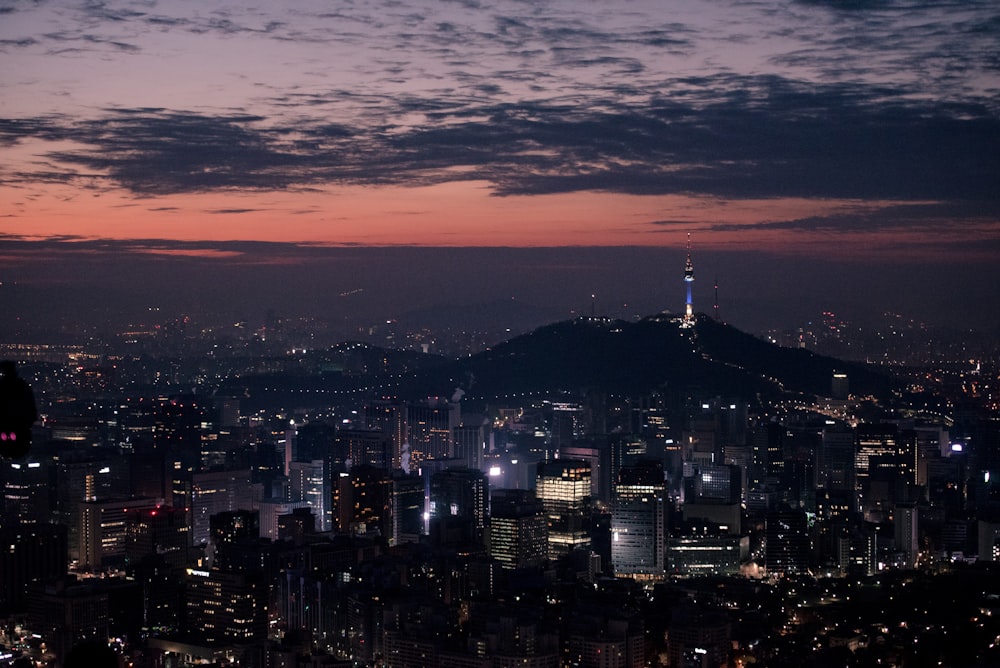
A hyper-dynamic capital where century-old Hanok tiled roofs meet neon-drenched sky towers, charcoal smoke billows from late-night K-BBQ alleys, and buzzing markets never sleep.
From steaming handmade knife-cut noodle broths to sizzling tabletop charcoal grills, dining in Seoul is a communal ritual steeped in fermented depth and fiery warmth.
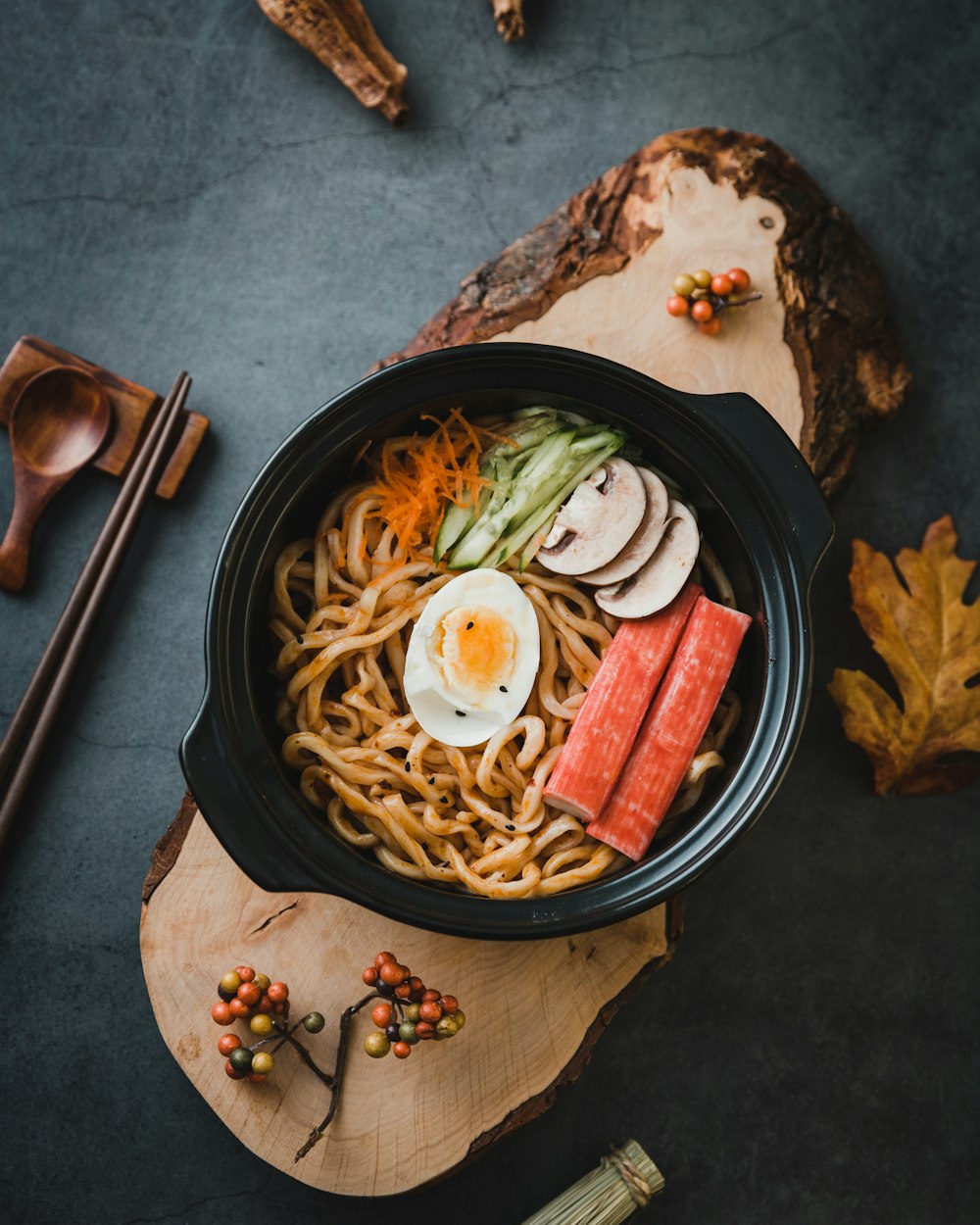
Thick, chewy handmade knife-cut wheat noodles served in a rich, velvety chicken and anchovy bone broth topped with minced pork, scallions, and steamed pork-and-leek mandu dumplings, accompanied by intensely garlicky fresh geotjeori kimchi.
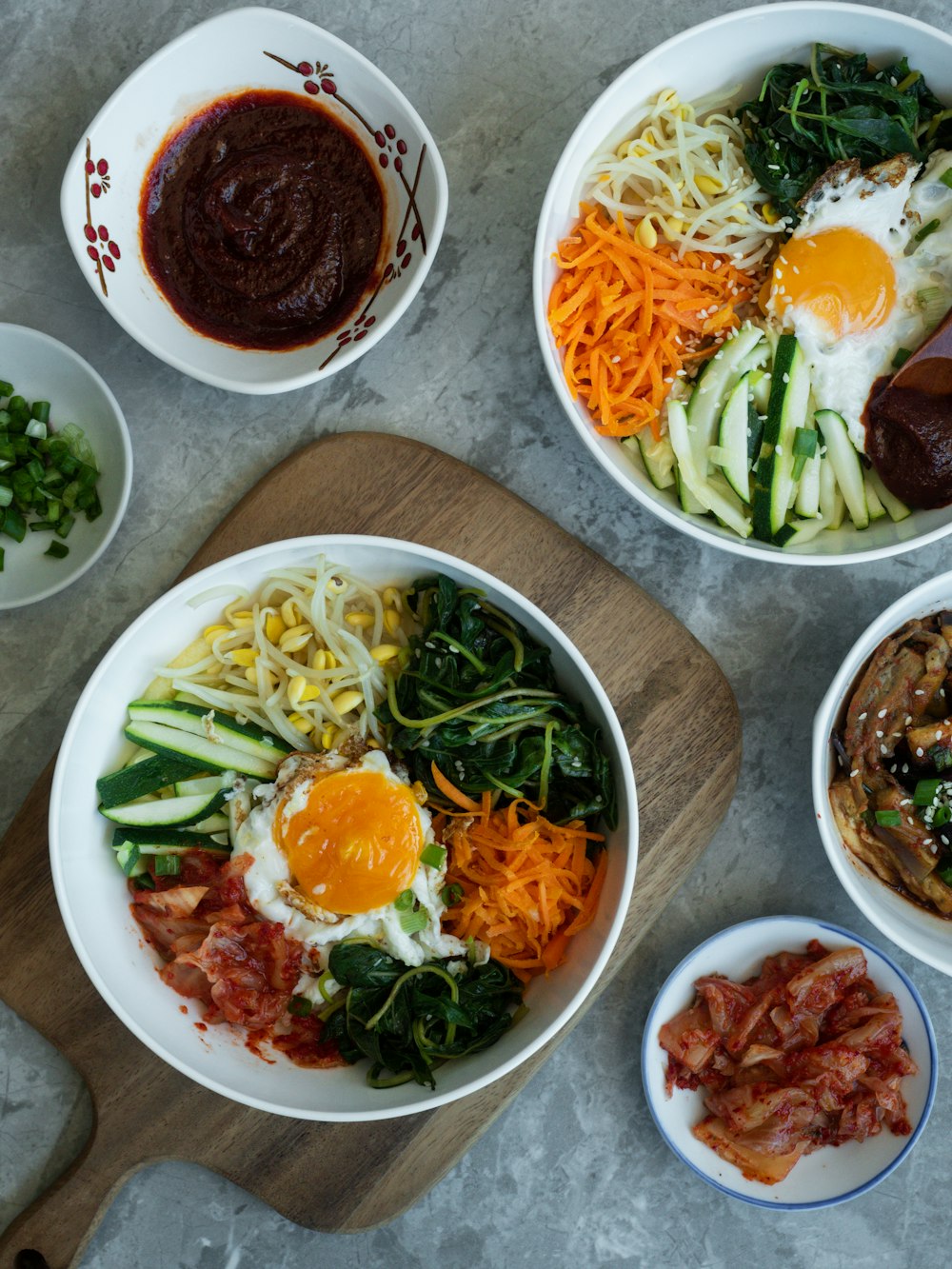
Thick cuts of succulent pork belly and marbled premium Hanwoo beef sizzled over glowing natural lump hardwood charcoal. Wrap each tender bite in crisp perilla leaves with toasted sesame oil, grilled garlic, and savory fermented ssamjang.
The ultimate Korean comfort pairing: ultra-crispy, double-fried chicken glazed in spicy gochujang garlic sauce or sweet soy honey, washed down with ice-cold draft beer alongside pickled white radish cubes along the breezy banks of the Han River.
Venture beneath rainbow canopies and neon awnings where generational stall-keepers grind mung beans on stone wheels and simmer bubbling pots of crimson rice cakes.
Established in 1905, this bustling covered bazaar is Seoul’s culinary beating heart. Sit on heated benches to devour golden, sizzling bindaetteok (crispy mung bean pancakes), addictive mayak kimbap with hot mustard dip, and hand-cut noodles.
At Tongin Market, trade traditional brass coins (yeopjeon) to fill a custom lunchbox with fiery tteokbokki rice cakes and gyeran-mari omelettes. Head to Namdaemun Market for hand-kneaded hotteok pastries stuffed with brown sugar and toasted cinnamon.
Step into the Joseon Dynasty: wander quiet stone alleys bordered by traditional tiled-roof wooden residences (hanok) and the grandeur of Gyeongbokgung Palace, with its royal throne hall and the tranquil Gyeonghoeru water pavilion.
When dusk descends, Seoul recharges with blinding neon, busking guitarists, retro industrial alleyway taverns, and vibrant outdoor tent bars.
The epicenter of Korean youth culture and creative expression. Sidewalks throng with live buskers, indie rock clubs, hidden vinyl listening rooms, and all-night basement venues that pulse until the sunrise subway trains start rolling.
By day an industrial maze of printing presses and metal fabrication shops; by night the alleys fill with hundreds of plastic tables serving spicy garlic snails (golbaengi-muchim), grilled dried pollack, and cold craft beers under red neon lanterns.
South of the river, Seoul displays sleek futuristic sophistication: opulent subterranean cocktail bars, mixology salons crafting soju-infused creations, and sky-high lounge terraces with panoramic views of the illuminated Han River bridges.
Each quarter of Seoul holds its own distinct visual rhythm, architectural flavor, and culinary specialization.
The centuries-old foundation of the capital. Home to royal palaces, quiet traditional teahouses serving roasted barley tea and sticky rice cakes, antique wooden craft shops, and peaceful Buddhist temple courtyards at Jogyesa.
A former industrial shoe-manufacturing zone reborn as Seoul’s premier design hub. Red-brick factory lofts and concrete warehouses have transformed into architectural bakeries, fashion concept stores, and experimental gallery spaces.
A vibrant vortex of independent design, live music venues, indie art markets, and the green park strip of the Gyeongui Line Forest Park, where locals picnic with craft beer and pastries on breezy summer evenings.
Where Zaha Hadid’s neo-futuristic Dongdaemun Design Plaza (DDP) curves like an alien silver mothership next to 24-hour wholesale fashion towers, while neighboring Euljiro hides Seoul’s most coveted retro drinking dens.
An expertly balanced three-day itinerary connecting royal dynasties, feast-filled markets, futuristic design, and vibrant twilight pochas.
Enter through Gwanghwamun Gate to witness the colorful guard ceremony before strolling through the serene throne pavilions.
Walk the picturesque stone pathways of Bukchon, then descend to Insadong for traditional roasted omija tea in an ancient wooden courtyard.
Grab a bench for sizzling bindaetteok (mung bean pancakes), mayak kimbap, and hand-cut kalguksu noodles prepared before your eyes.
Ascend Mount Namsan for sunset views across the sprawling metropolis as city lights flicker across the Han River basin.
Explore revitalized red-brick lofts like Daelim Changgo for artisan pour-over coffee, salt bread bakeries, and Korean fashion concept stores.
Stroll through the shaded gingko groves of Seoul Forest and savor golden tonkatsu and spicy cold naengmyeon noodles.
Marvel at Zaha Hadid’s curving metallic landmark as its sweeping exterior glows with futuristic nighttime illuminations.
Pull up a plastic stool in the historic alleys for grilled pollack, garlic chicken, cold draft beer, and lively conversation.
Rent a bicycle to ride along the scenic riverbanks, stopping by a riverside convenience store for self-cooked instant ramen by the water.
Discover quiet micro-roasteries, indie comic shops, and vintage clothing boutiques lining the restored railway tracks.
Gather around glowing coals for thick grilled pork belly, bubbling aged kimchi jjigae stew, and cold steamed egg soufflé.
Immerse yourself in live street performances, indie dance clubs, and 24-hour soju bars that keep the district buzzing till dawn.
Local know-how to help you navigate Seoul smoothly, respectfully, and delightfully.
Seoul’s subway system is clean, punctual, and extensive. Buy a rechargeable T-Money card at any convenience store to tap between subways, city buses, and even metered taxis.
Google Maps does not provide walking navigation in South Korea due to local spatial data security regulations. Download Naver Map or KakaoMap (both have English support) for route finding.
When someone pours you a drink (especially an elder), hold your glass with both hands. Reciprocate by pouring their drink with two hands as well. Banchan side dishes are always complimentary and refillable.
While cards and mobile pay are accepted virtually everywhere in Seoul, carrying 10,000–20,000 KRW in cash is ideal for traditional street market stalls at Gwangjang and Tongin.